During the creation of the VR project Moonbow, my character designs went through multiple iterations and constant refinement, each with their own unique story and symbolism. This blog will walk you through how I shaped these characters step by step and their role in the overall story.
From character concept to final image
Initially, the character design of Moonbow was intended to reflect the emotional conflicts and inner struggles behind each character. The core of the entire project is to explore the complex relationship between identity, love and family, and these themes are specifically presented through the shape, color scheme and symbolic elements of each character.
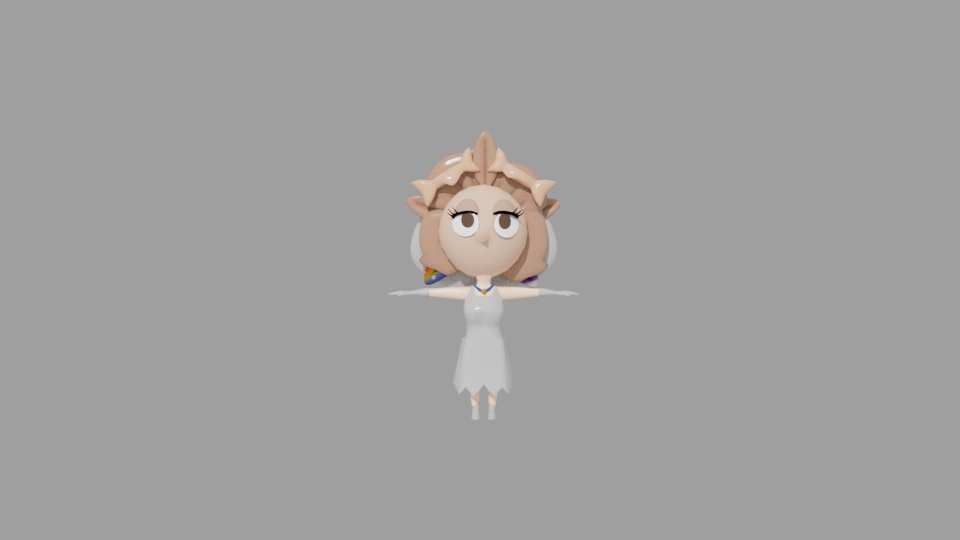
Ellie is one of the protagonists I designed. Her appearance is soft and has a dessert feel, which reflects her weakness and symbolizes her inner strength. Ellie’s design has been iterated many times in order to reduce obvious gender characteristics so that players can more easily substitute her identity and understand her inner conflicts and struggles.
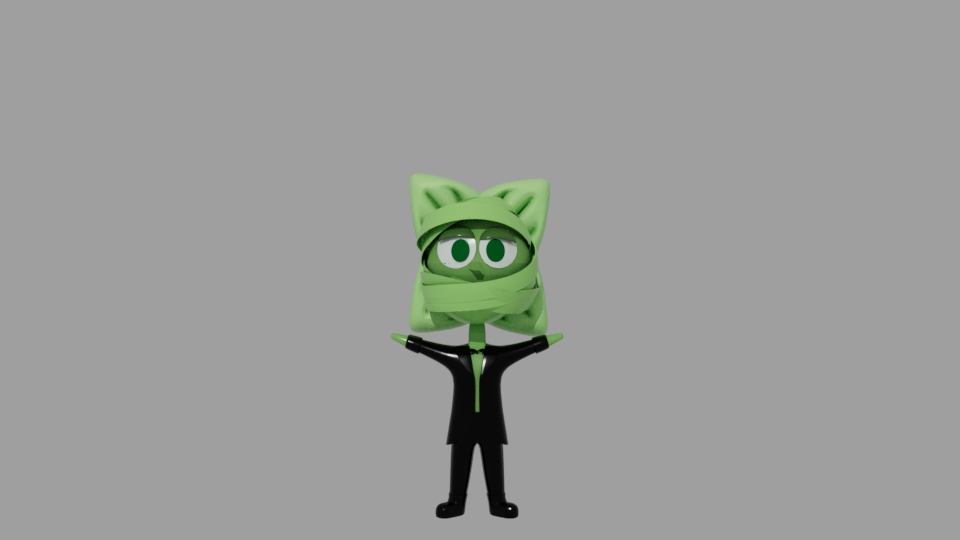
The groom is based on a green square pastry. The appearance seems calm, but there is a crack inside, suggesting his hidden identity and inner anxiety. This design is intended to show his surrender in the wedding and his helplessness in reality.
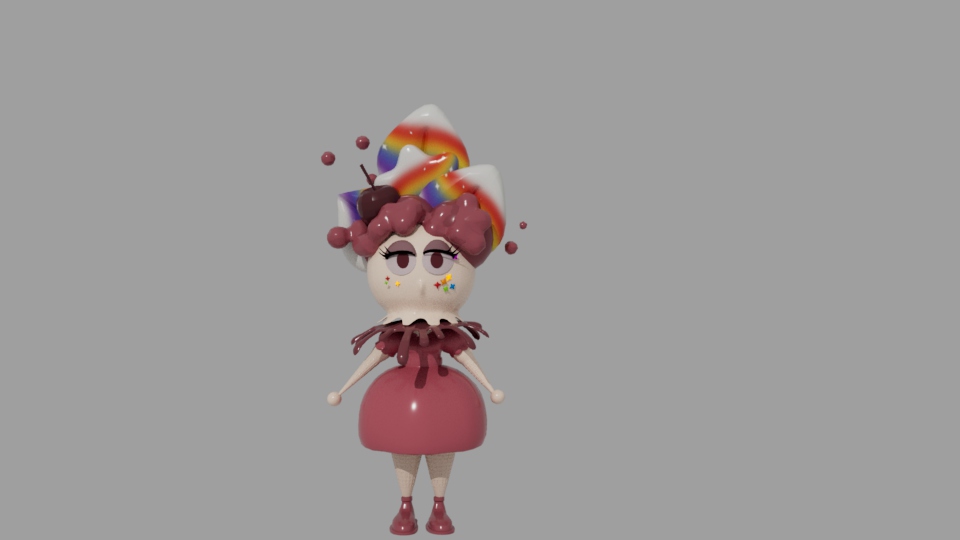
Mei Lin’s character is full of energy and color, a rainbow ice cream. She represents the love and light in Ellie’s life, and also symbolizes freedom and diversity. Her design uses colorful colors to express her optimism and persistence in love.
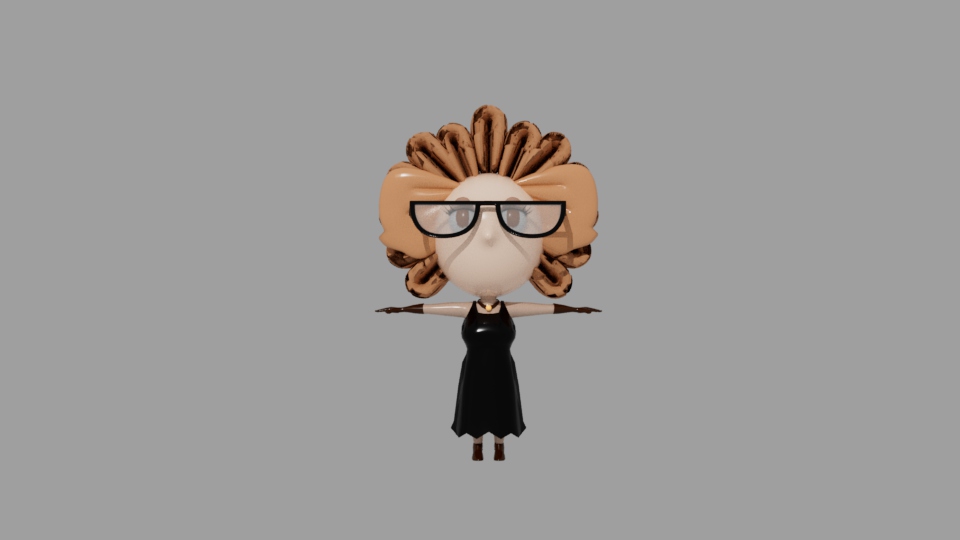
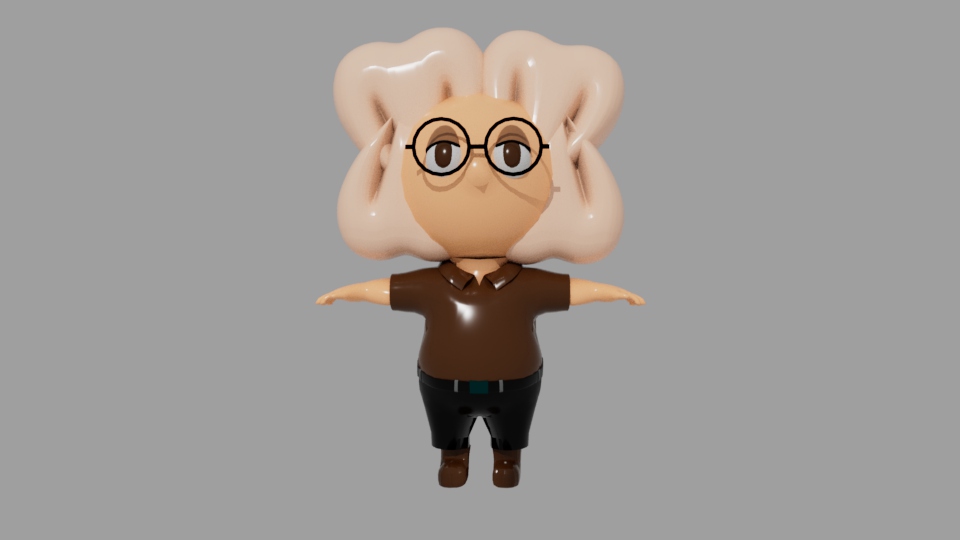
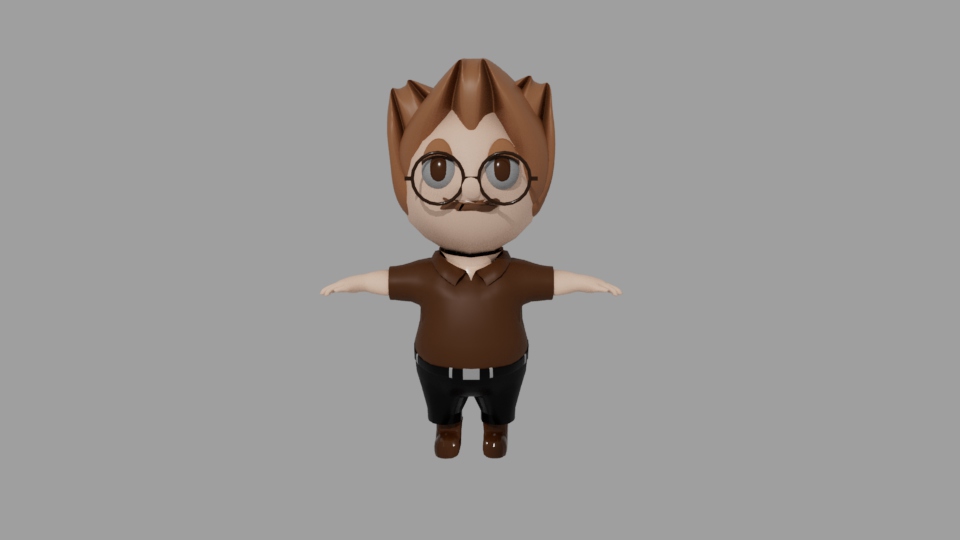
The images of Mom and Dad have more traditional elements. Mom looks like a traditional mooncake, and her serious appearance reflects her adherence to traditional values. Dad’s design has been iterated to add more gender characteristics, which also reflects their generation’s adherence to gender roles. The images of the guests use the prototypes of Mom and Dad, symbolizing the conservatism and group thinking of traditional concepts.
Thinking behind character iteration
The design of characters is not done overnight, and each iteration behind them has deep thinking. For example, the characters of the younger generation (Ellie and Mei Lin) have reduced gender characteristics in order to reflect gender fluidity and freedom of identity. The characters of the parent generation retain traditional gender characteristics in order to highlight the differences between generations in terms of gender and social expectations.
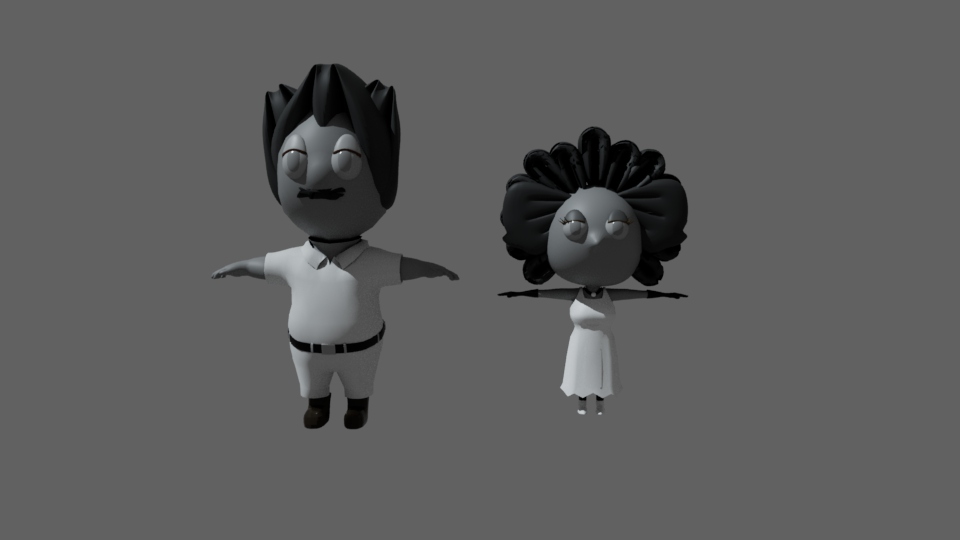
The design of the wedding guests is also a very critical part. In order to create an atmosphere of repression and social pressure, the guests all adopt the image of the parent generation. Their conservatism and stereotypes symbolize the social suppression of homosexual relationships and expectations for traditional marriages. This design makes Ellie feel huge family and social pressure when facing the wedding scene.
Symbolism in character design
I hope that through the design and symbolism of these characters, players can experience Ellie’s inner world more deeply. In the game, Ellie goes through a process from confusion to awakening. She needs to face the expectations of her family and bravely pursue her true happiness. And these emotions are cleverly expressed through the appearance and interaction of the characters.
For example, the music box, as a prop throughout the story, not only symbolizes Ellie’s emotional journey, but also serves as an emotional clue that players need to repair and unravel in the game. The music box, from spinning to breaking, and then to the final repair and continued spinning, all represent Ellie’s constant pursuit and uncertainty of love and identity. This design leaves players with unlimited imagination.